my story
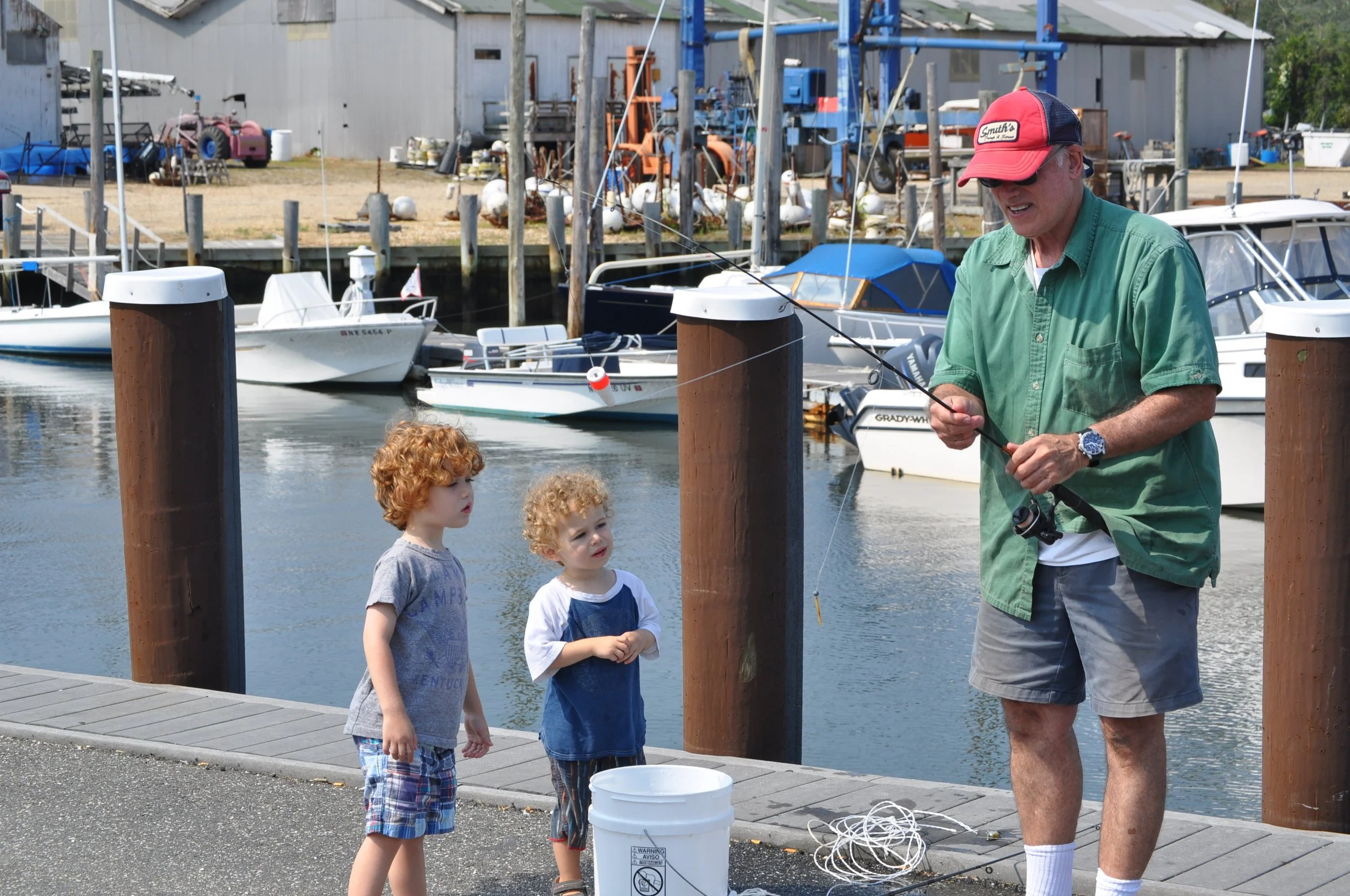
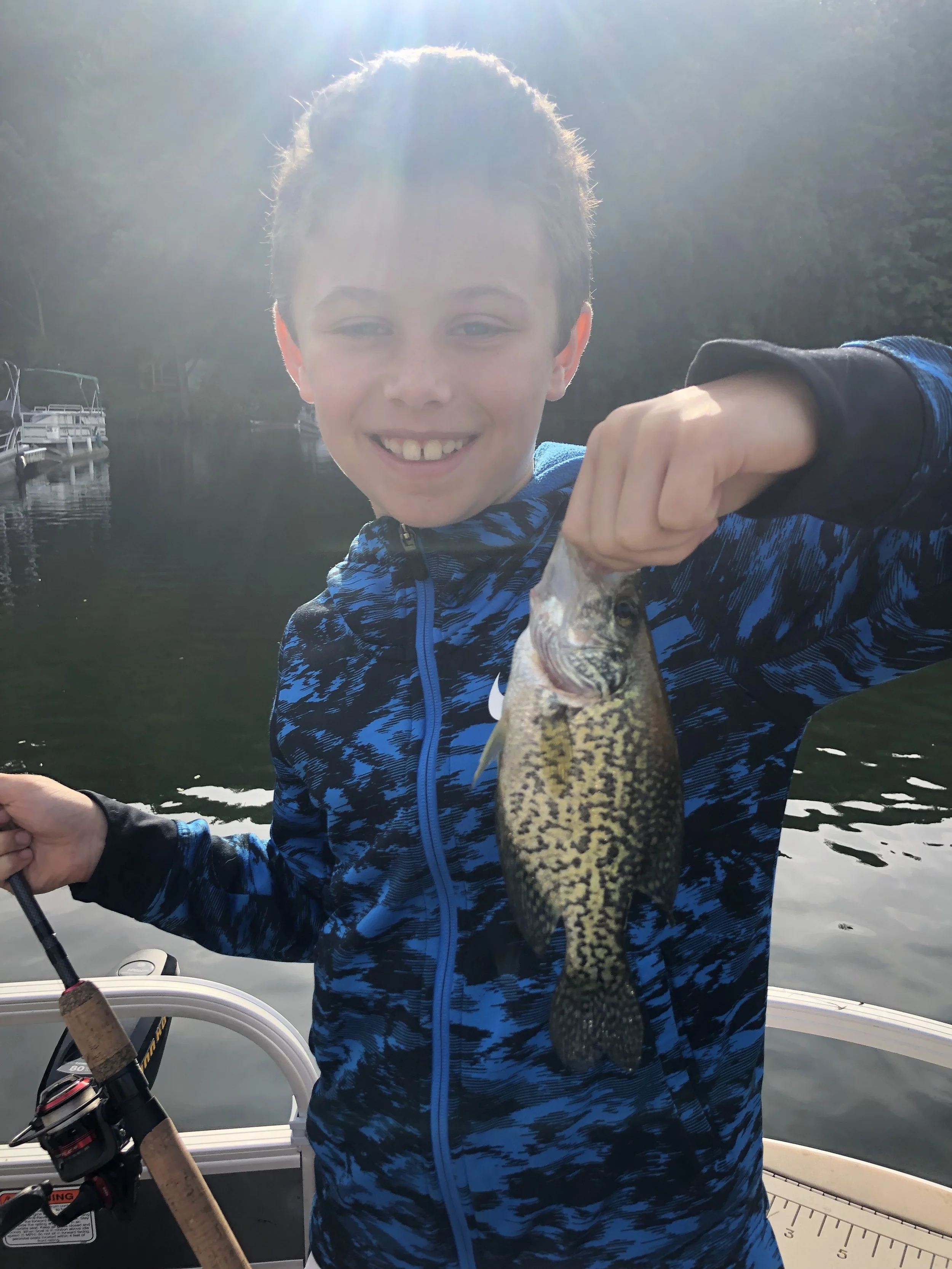
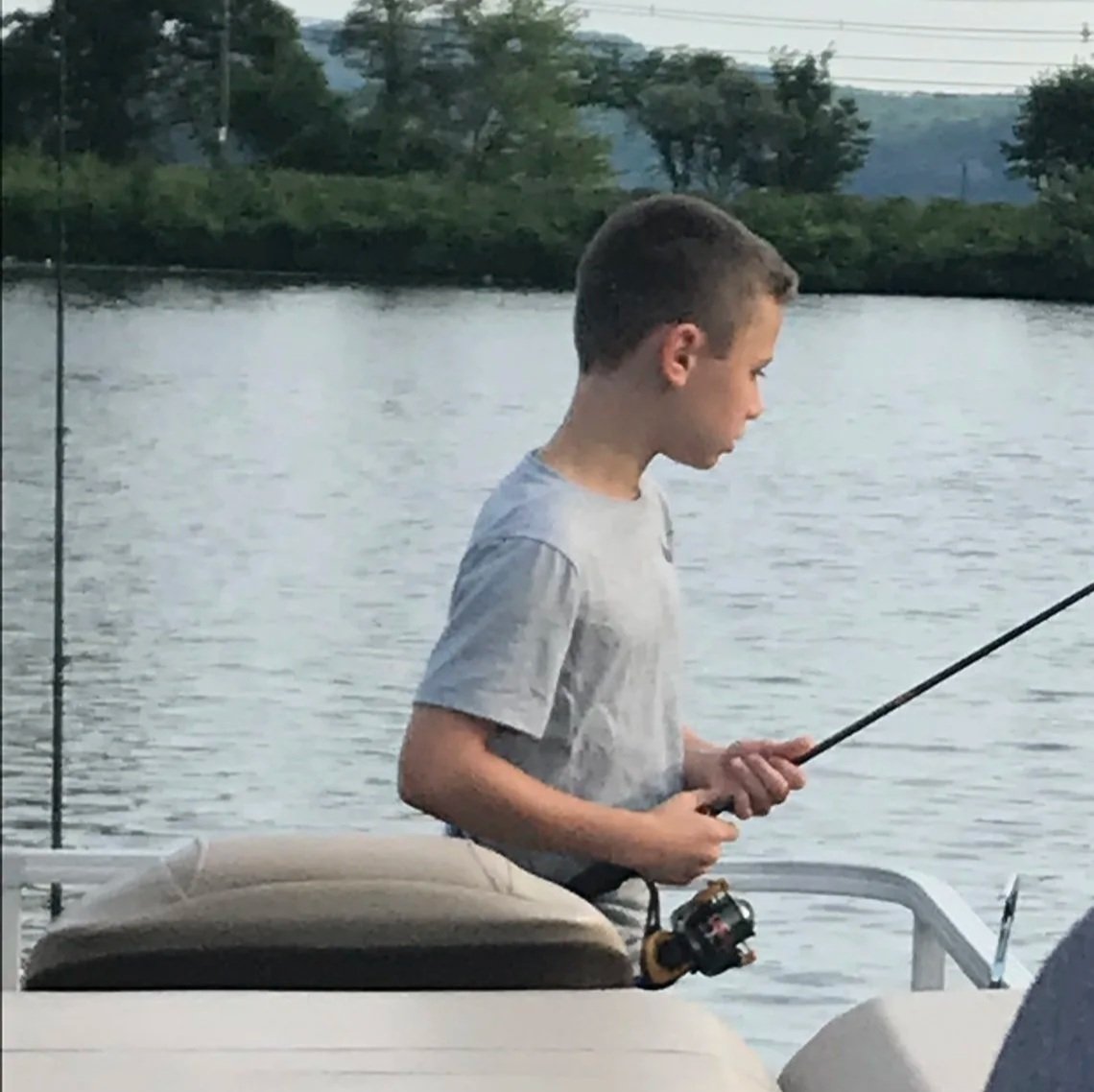
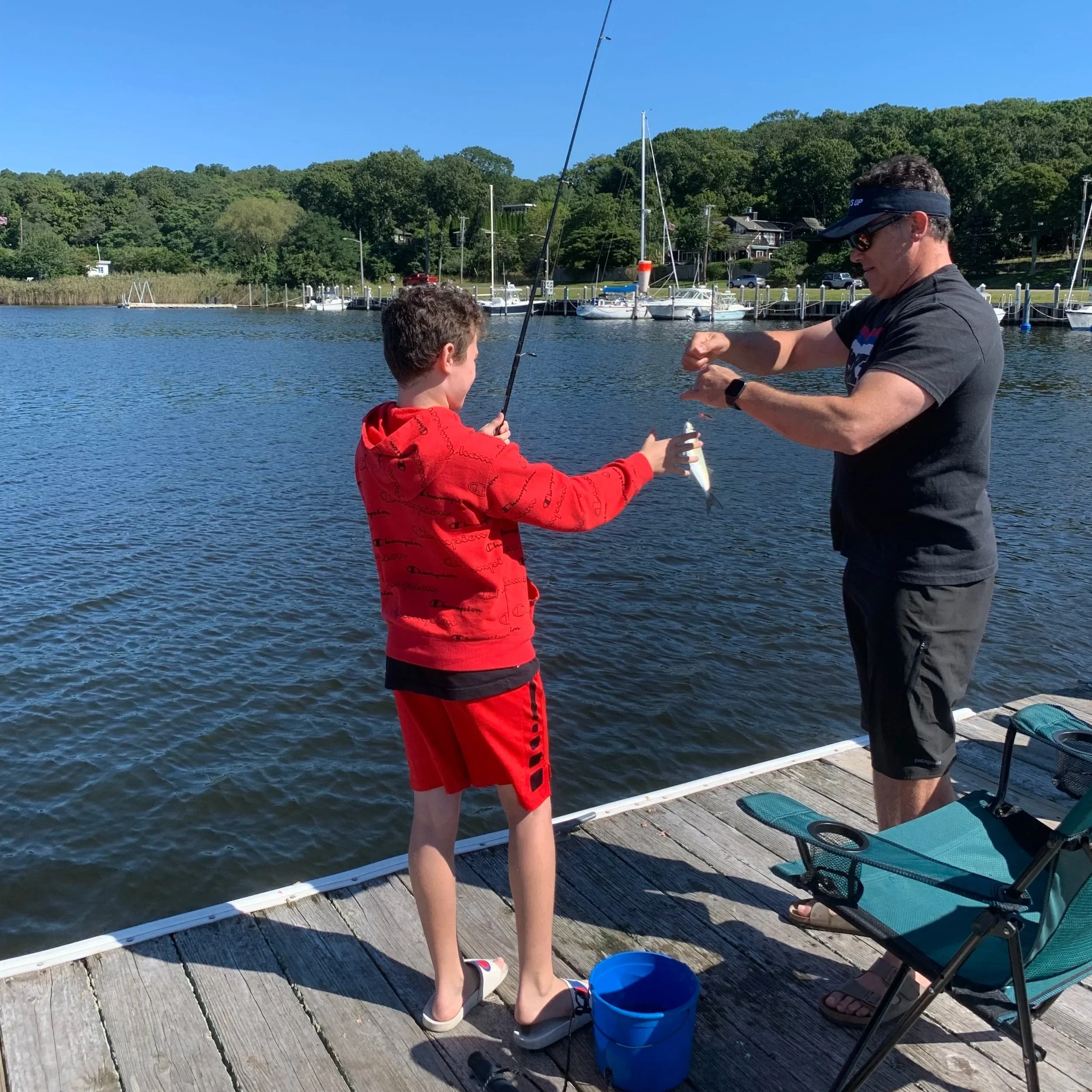
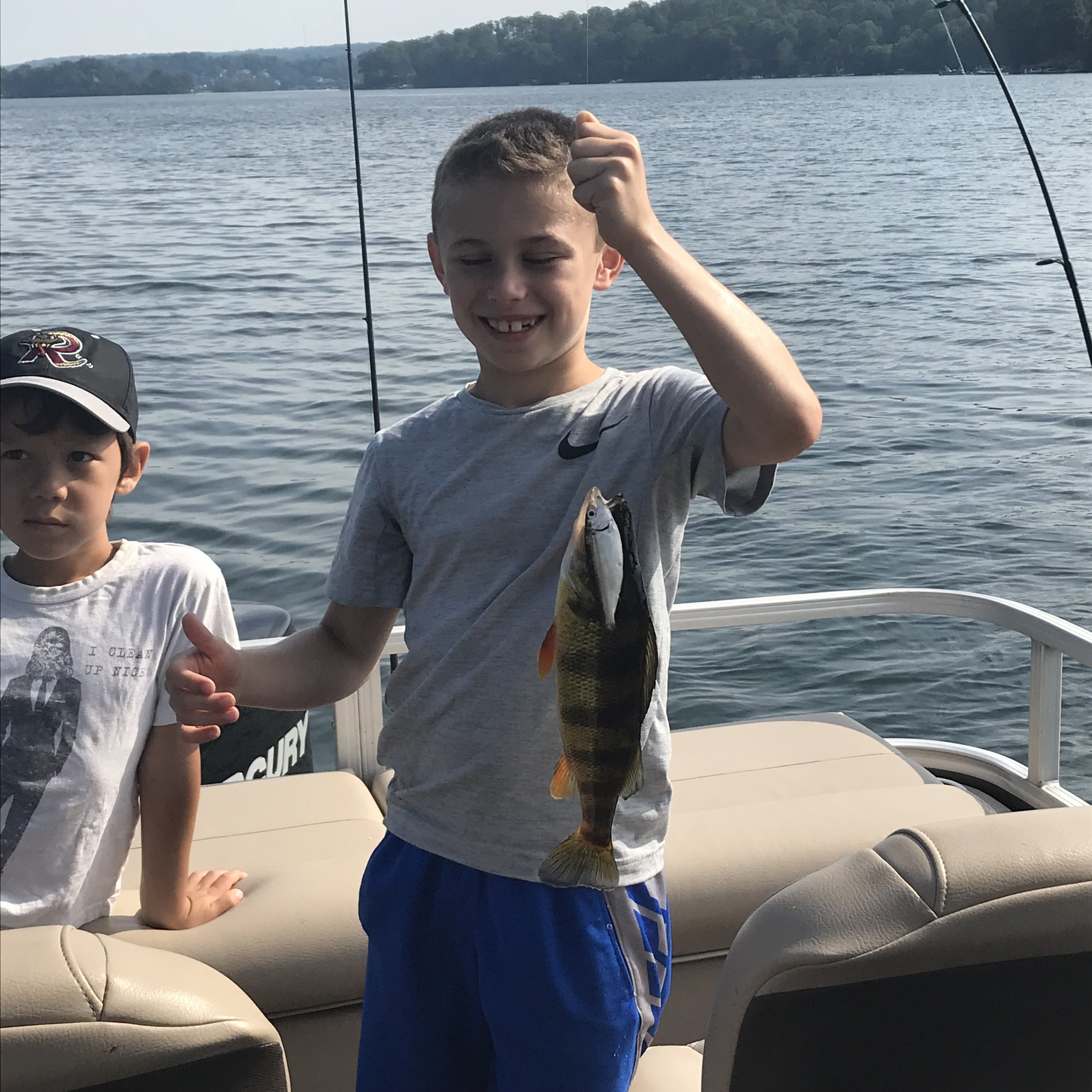
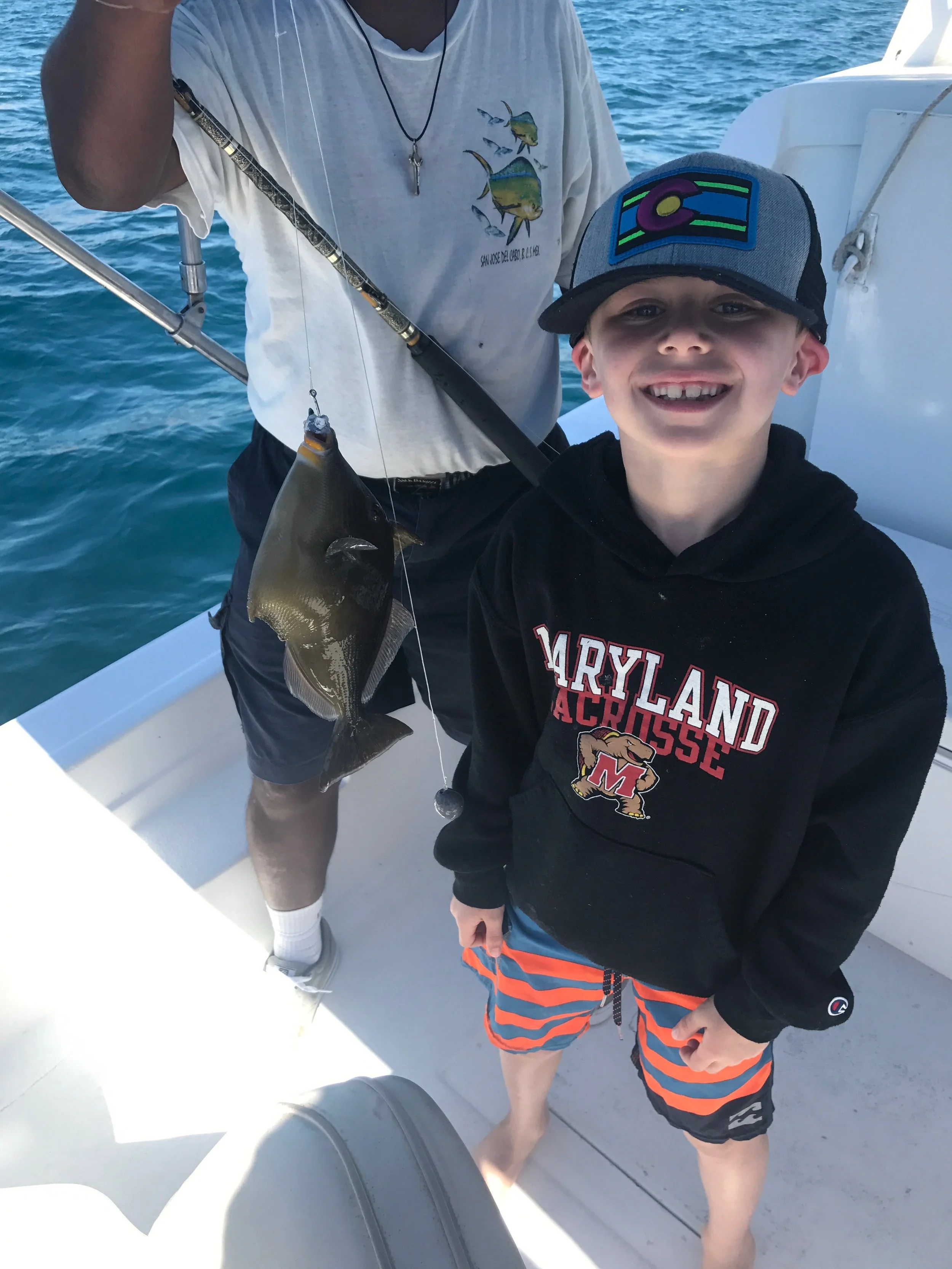
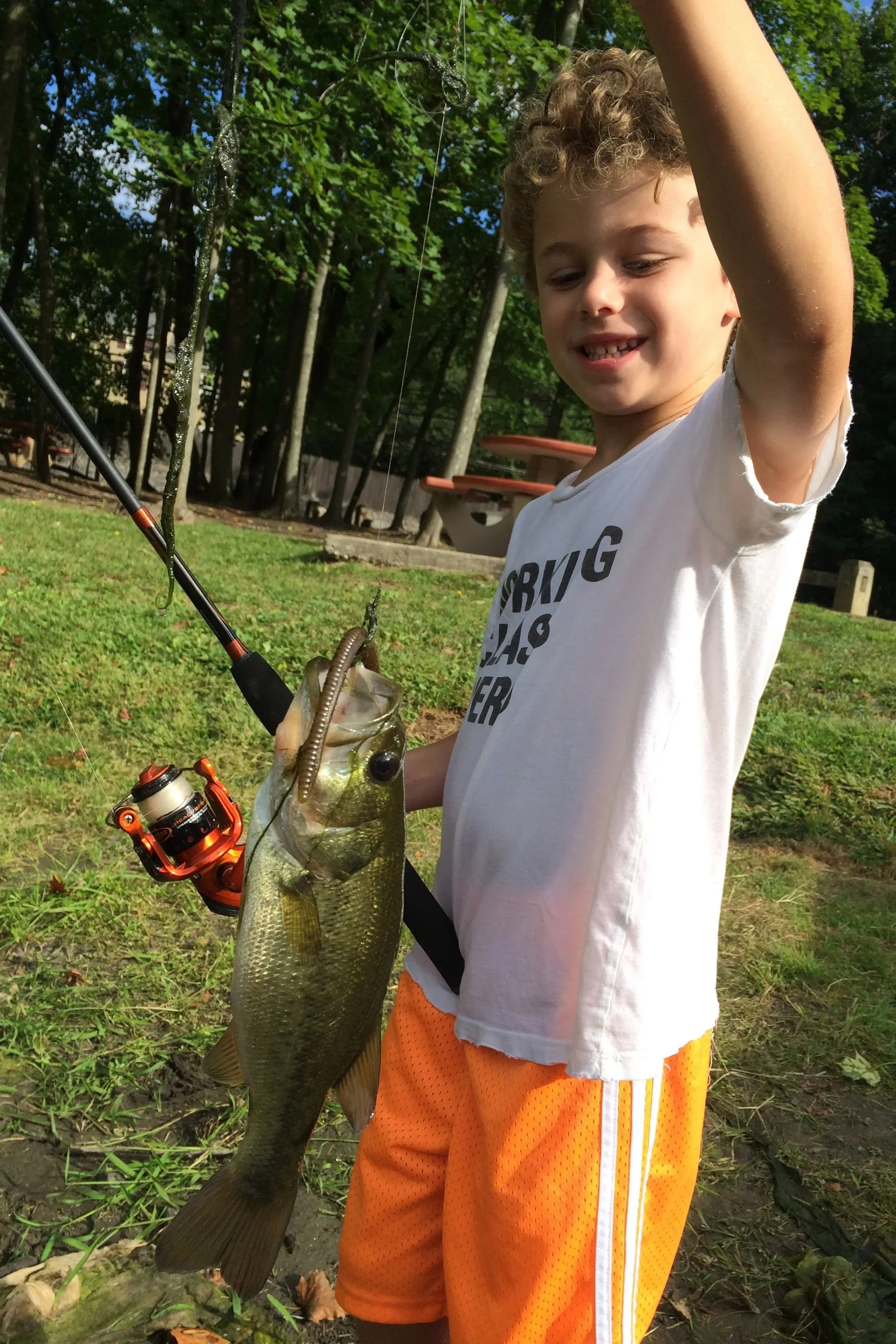
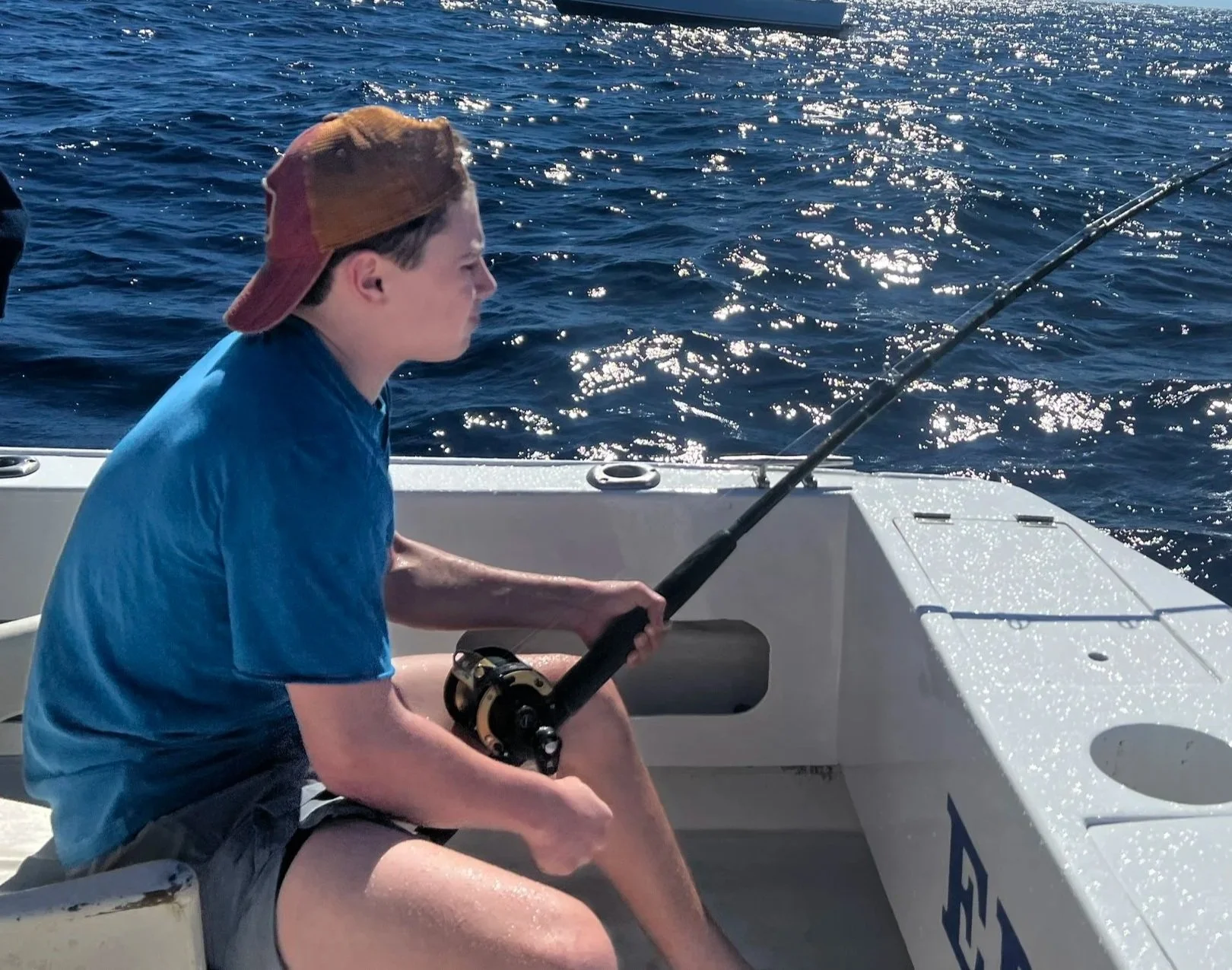
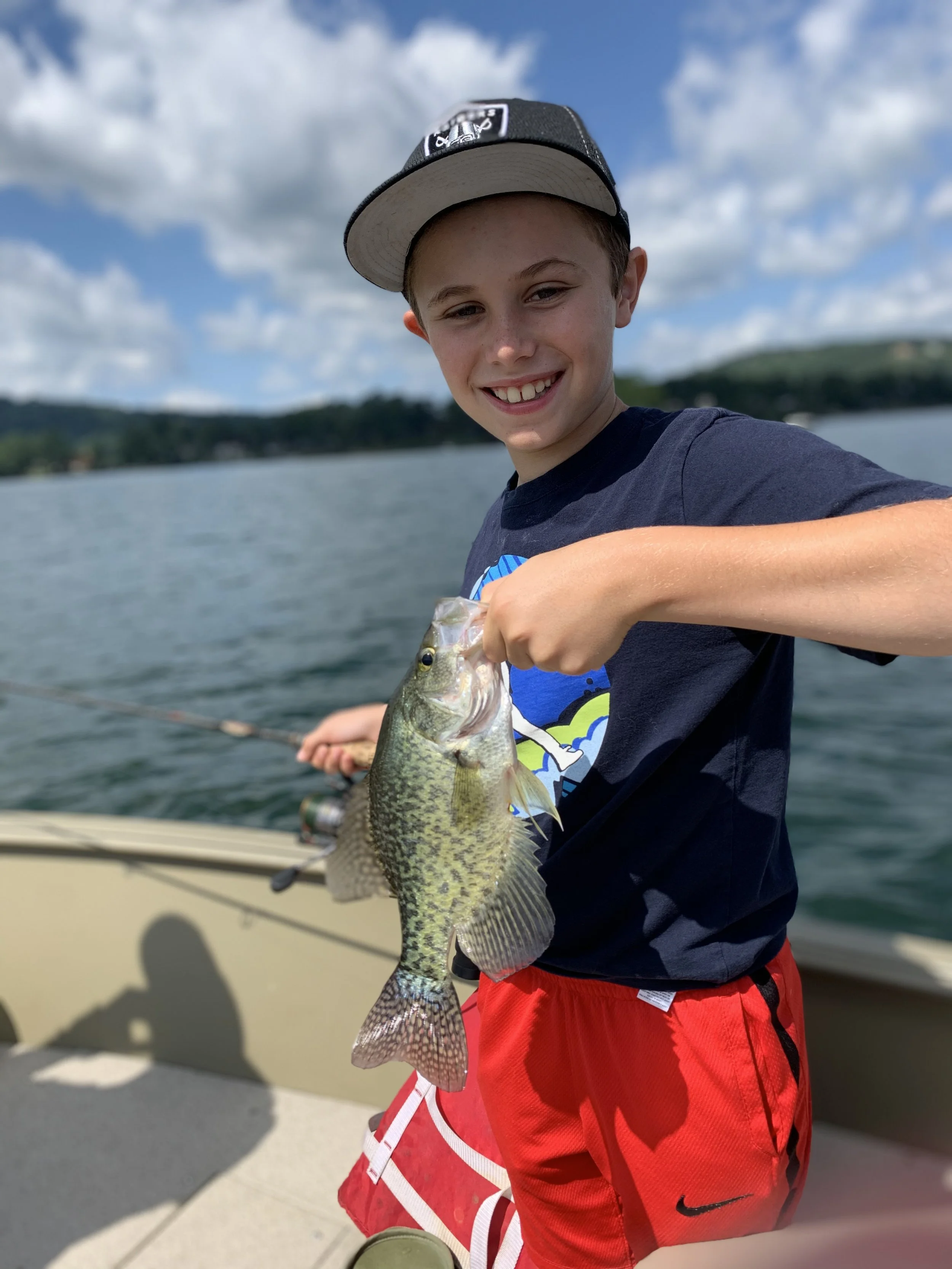
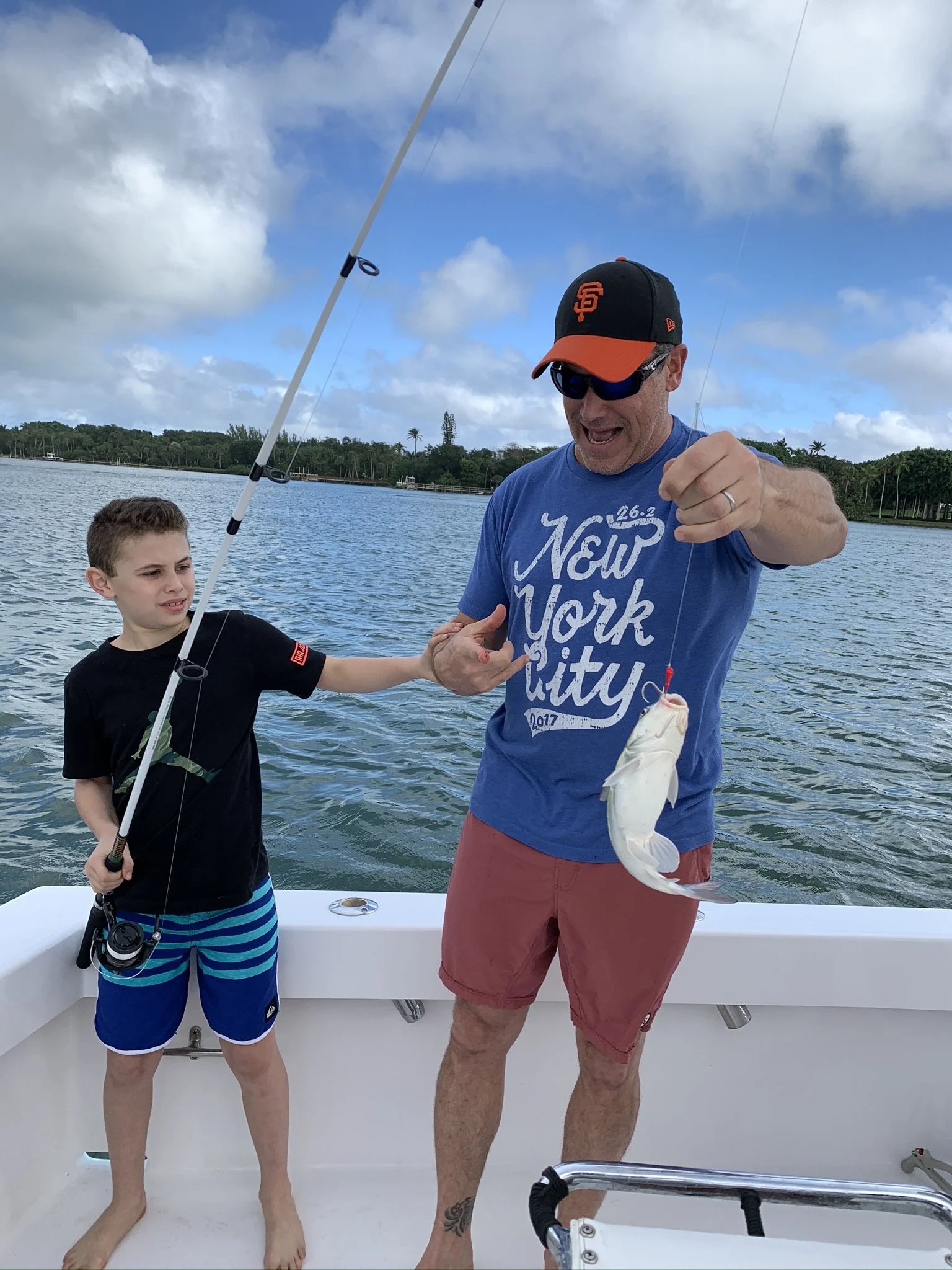
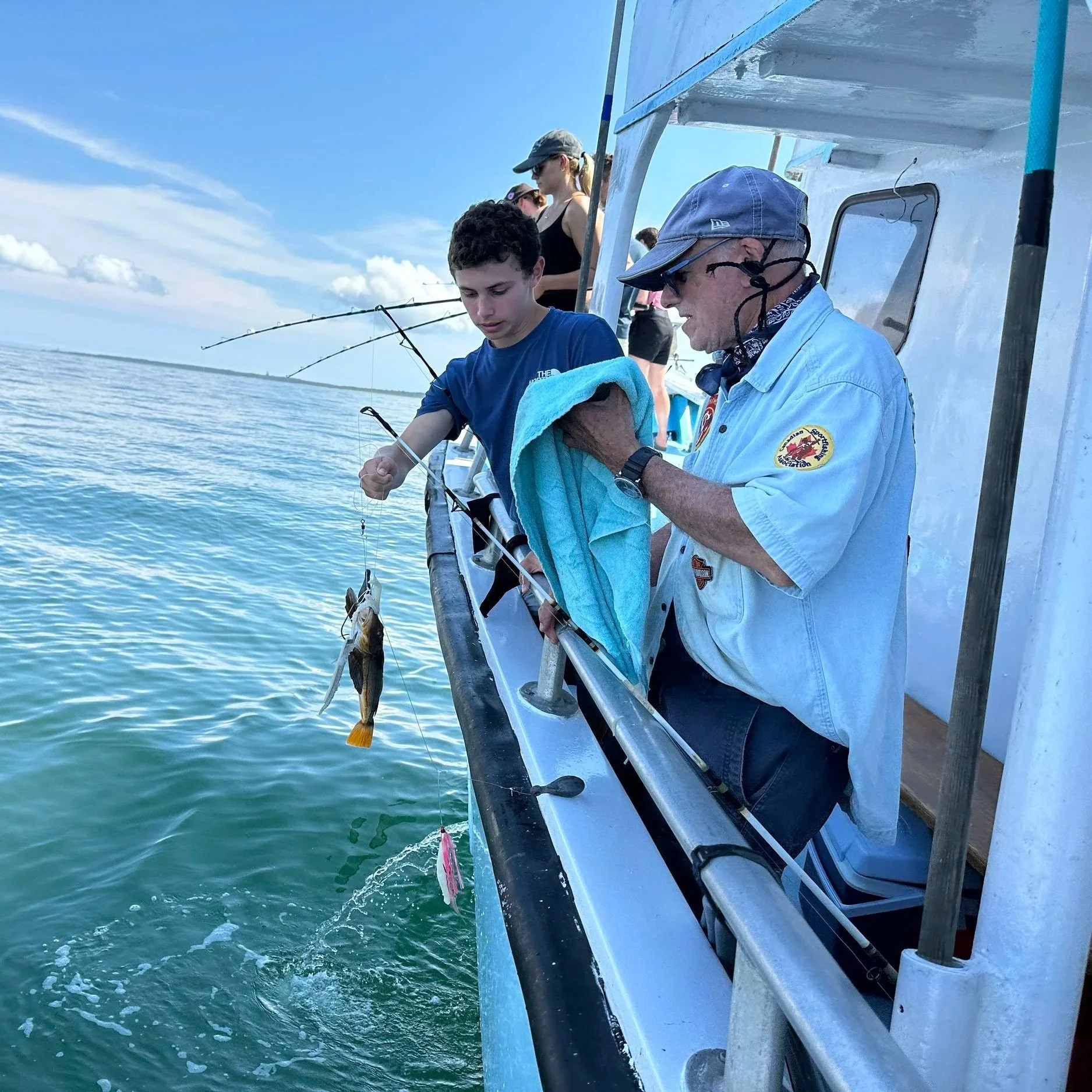
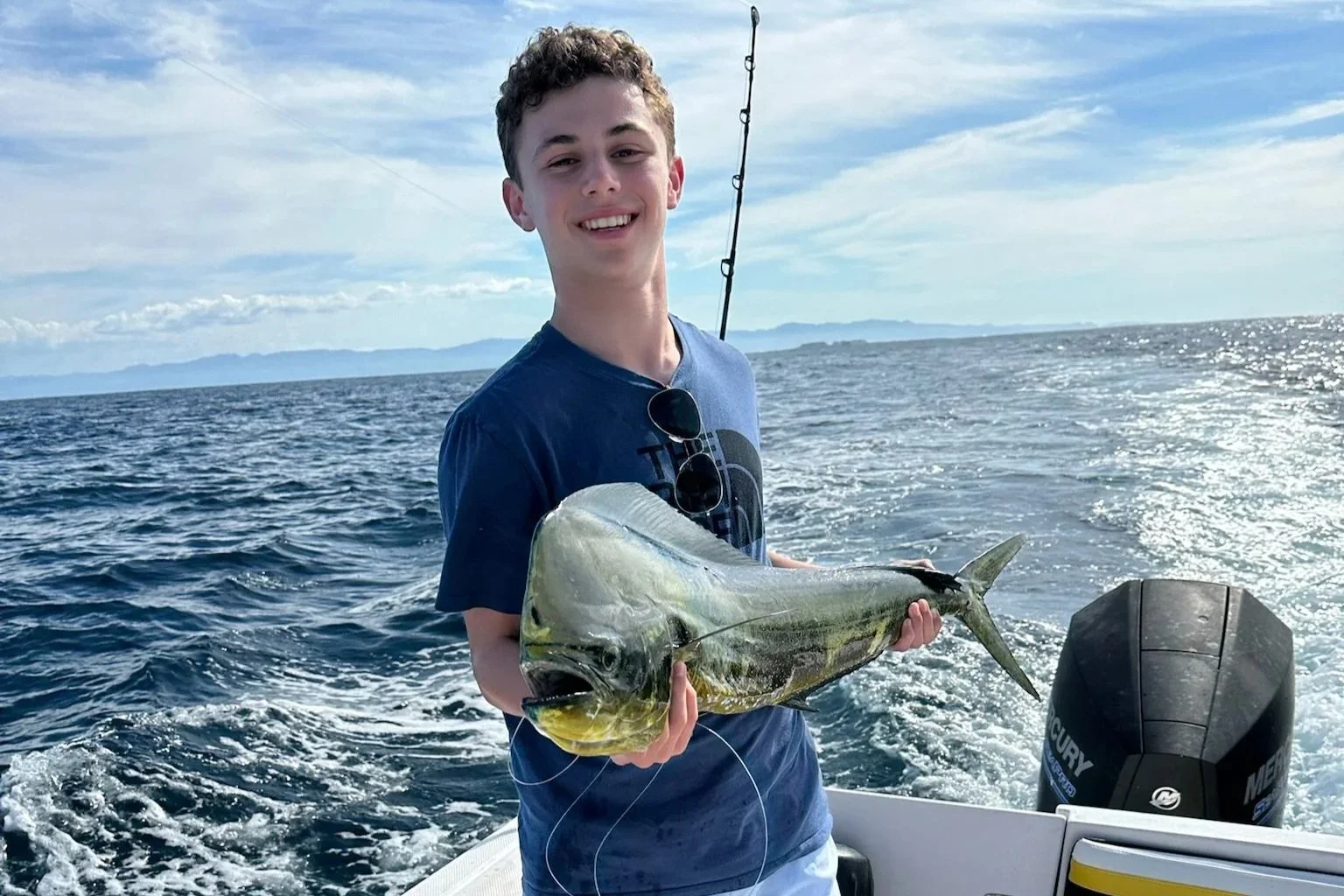
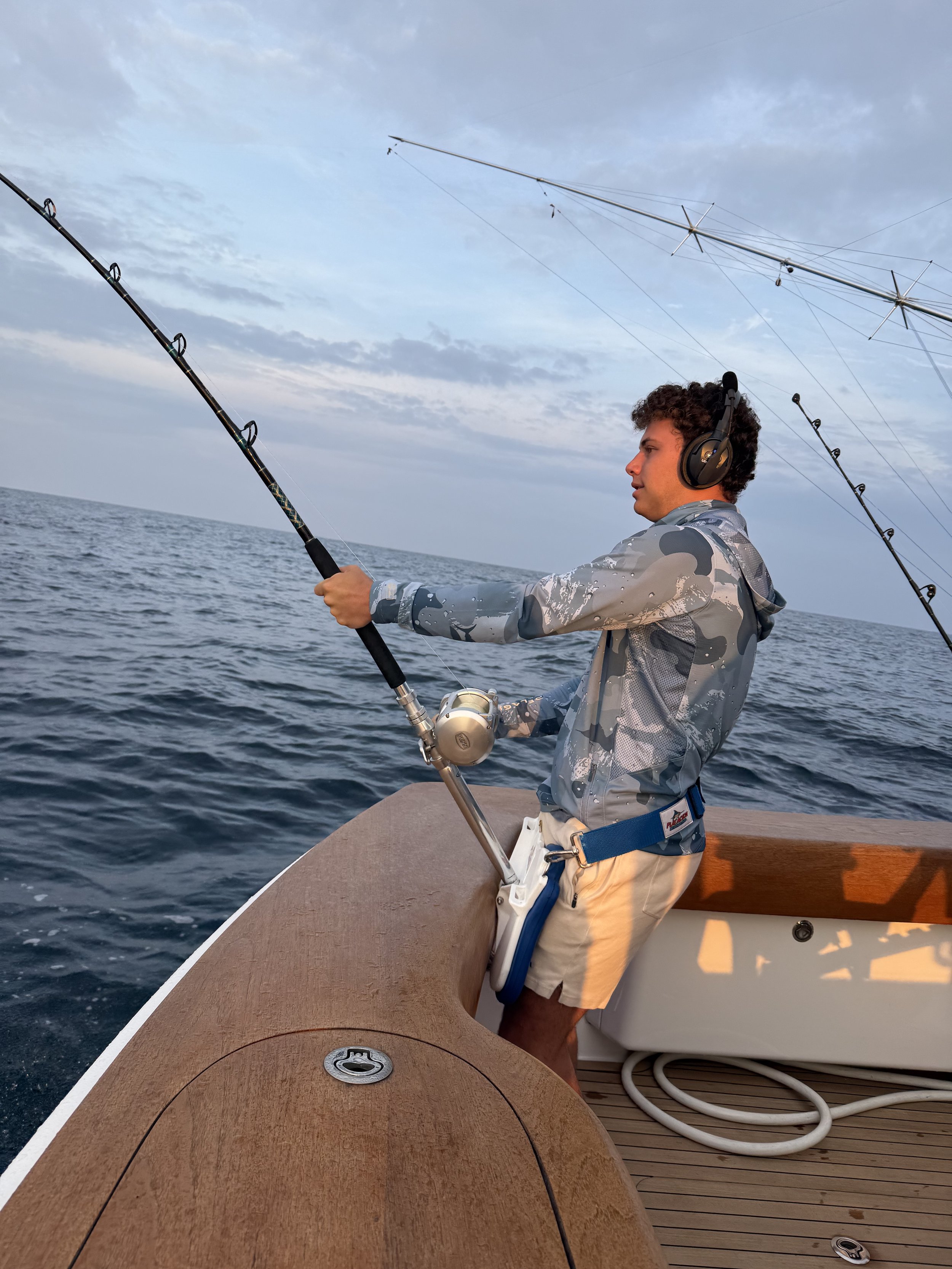
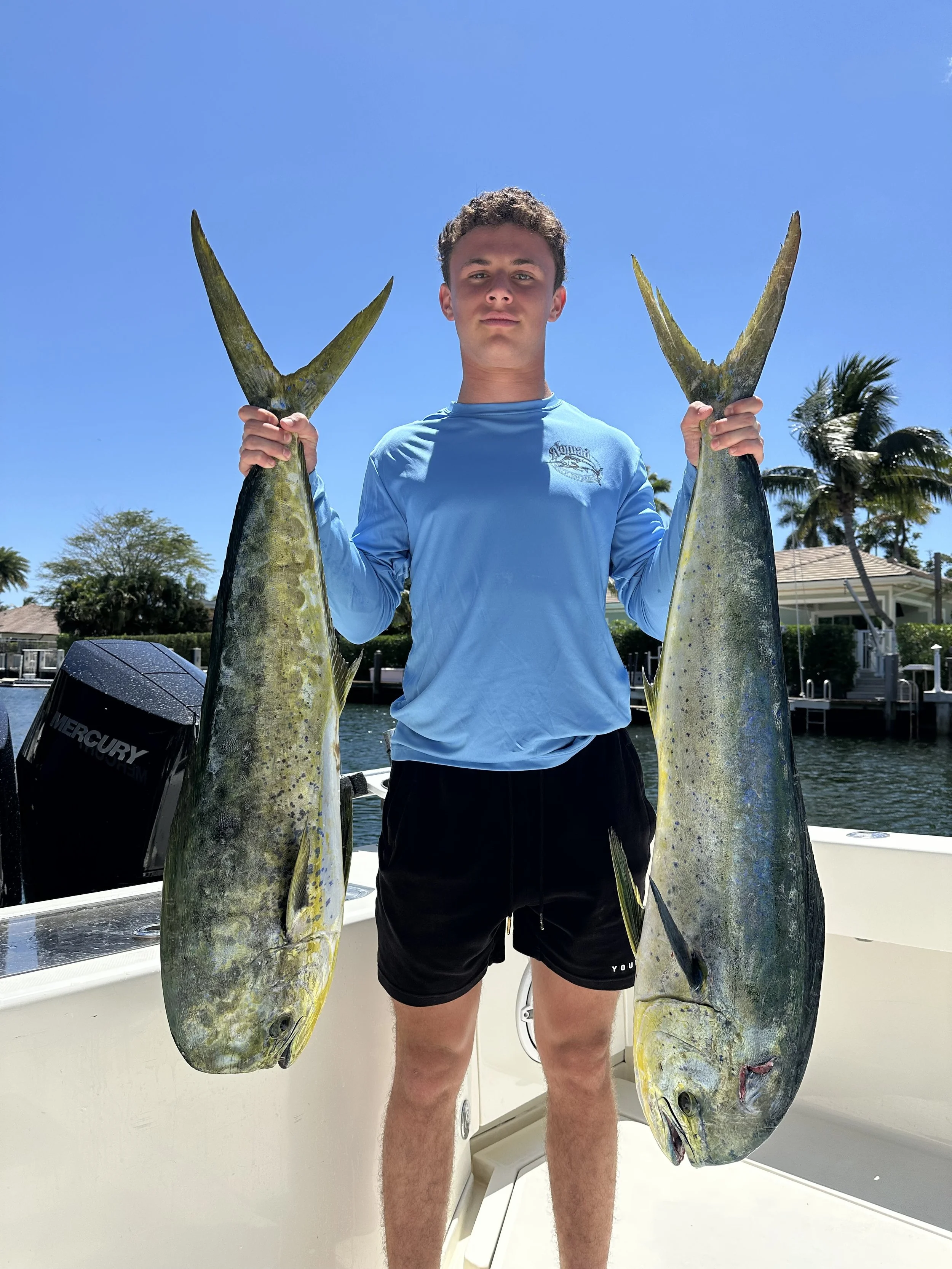
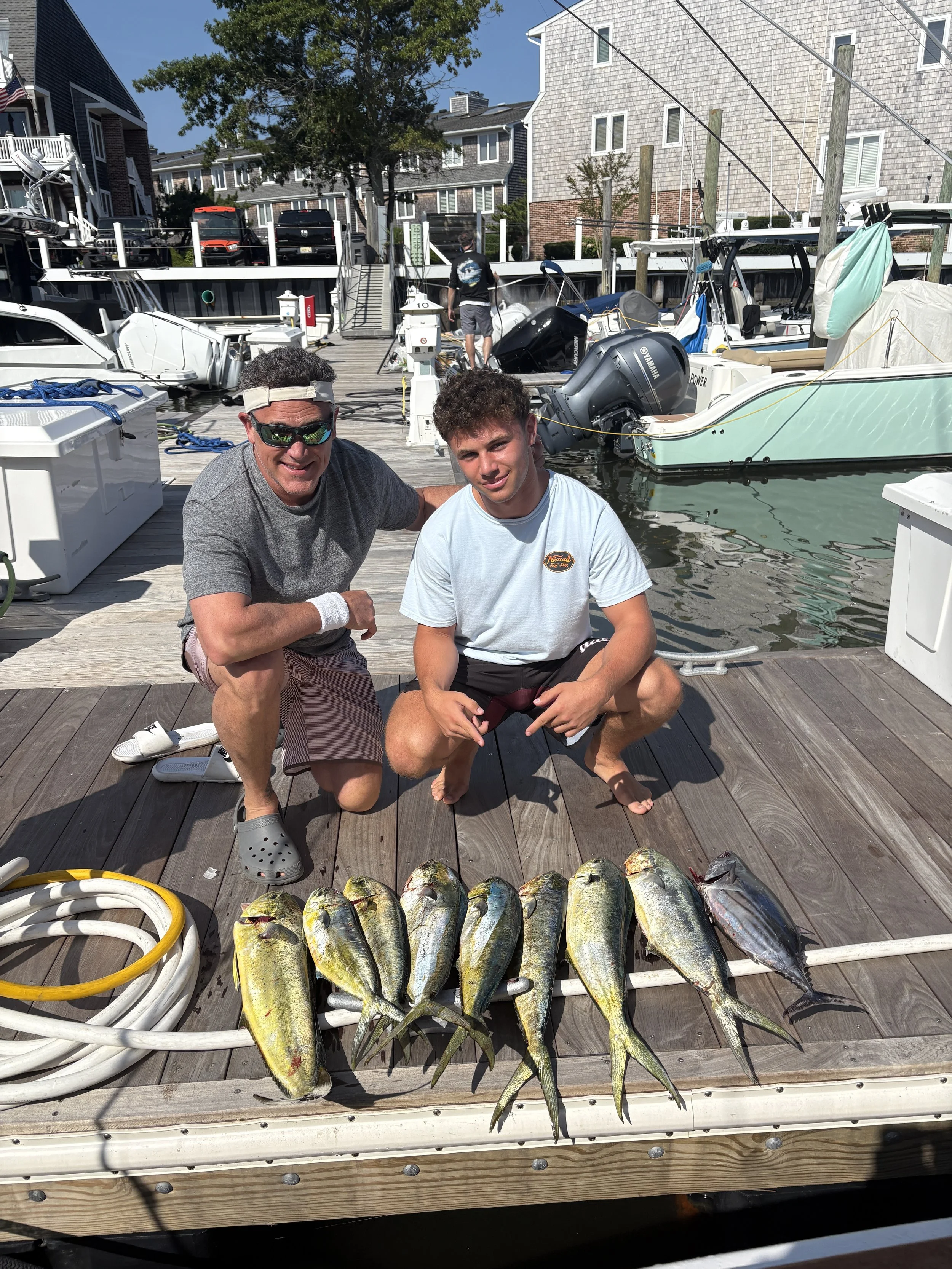
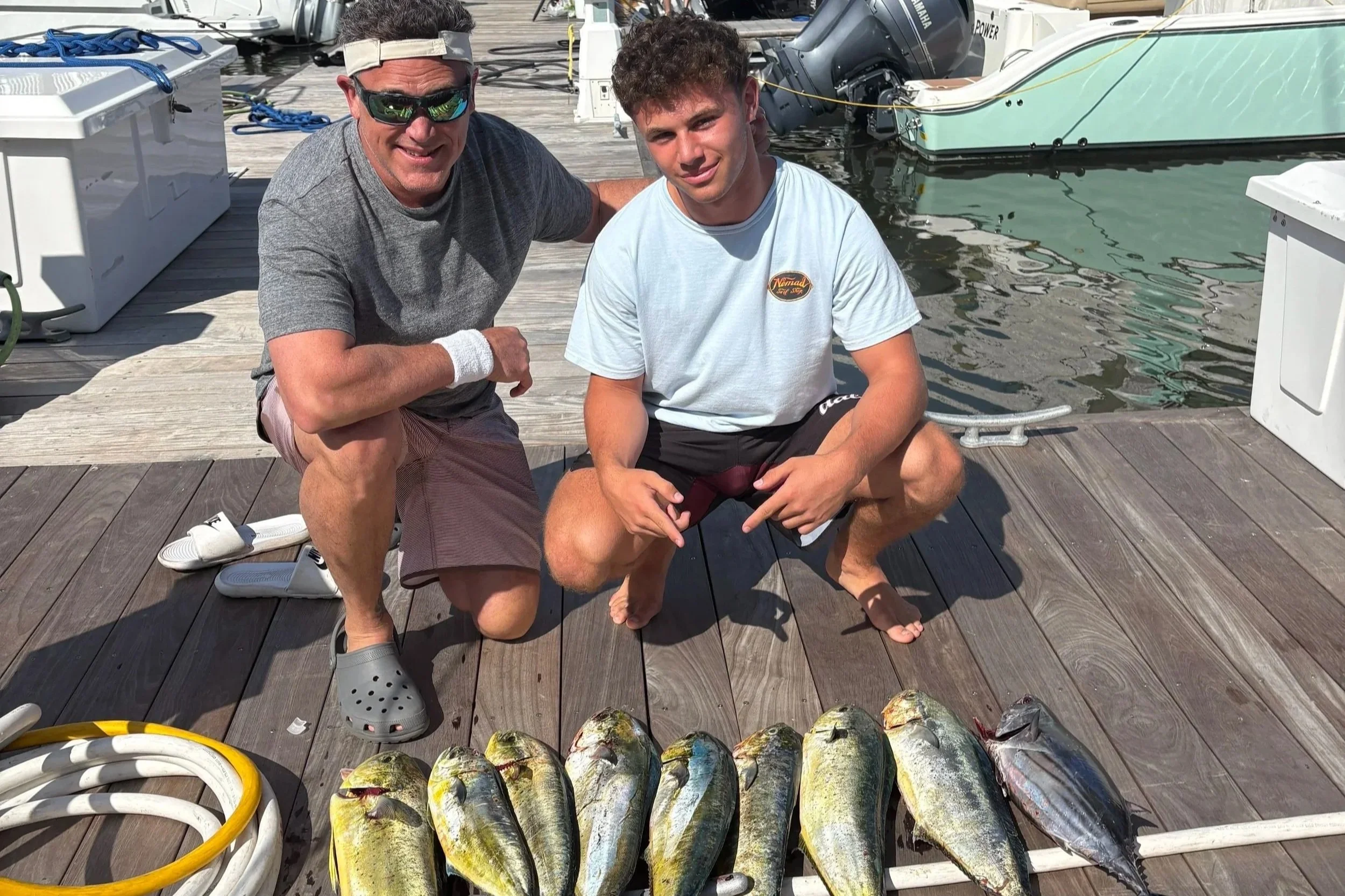
I’m a 17-year-old high school junior, and I’ve been fishing for as long as I can remember. What started as something I did for fun as a kid has turned into something I genuinely care about. Fishing connects me to my family, the outdoors, and some of my best memories. I caught my first fish when I was three years old with my grandfather, and even though it was tiny, it felt huge at the time.
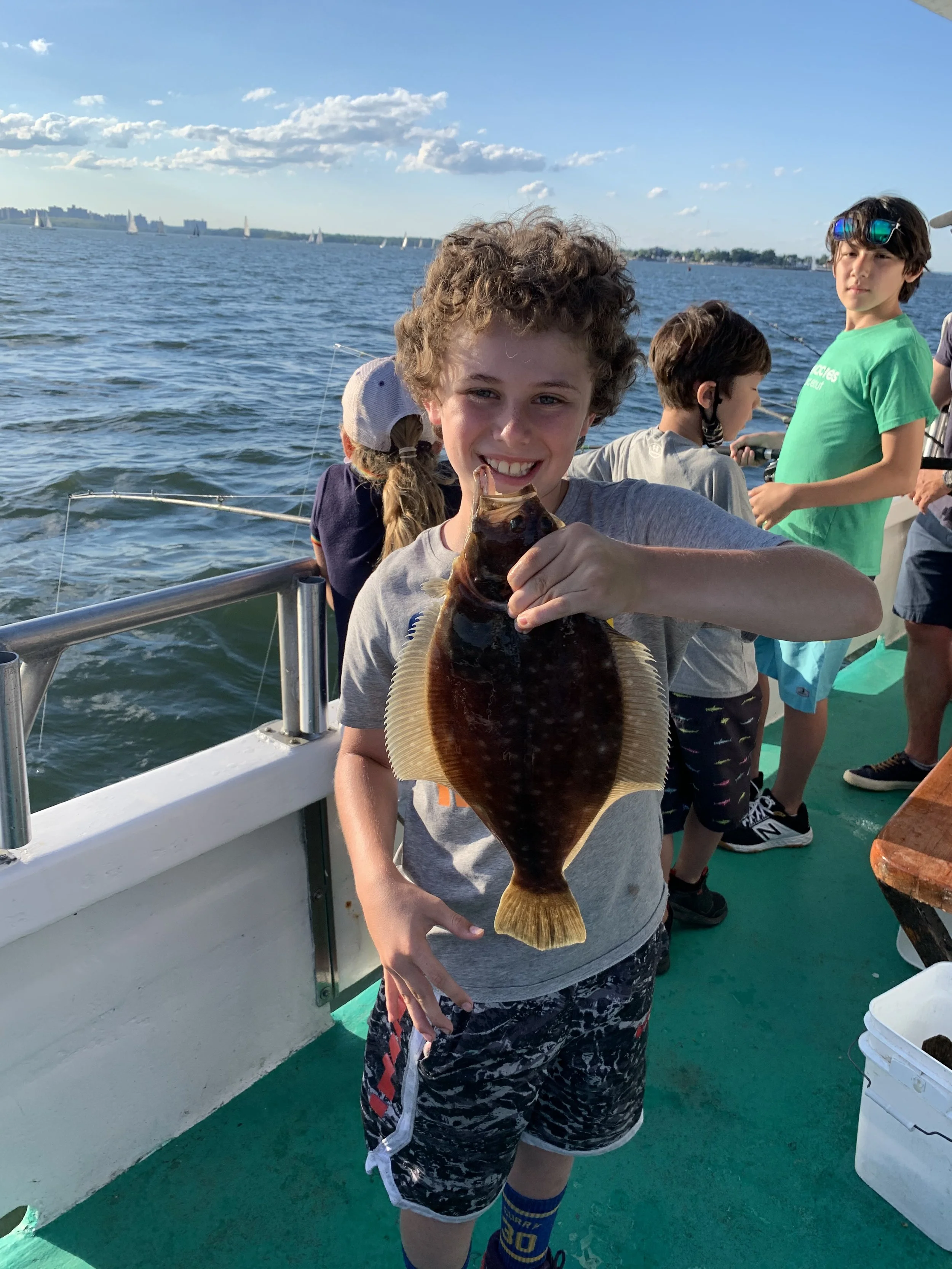
As I got older, fishing became more than just a hobby. My family has always practiced catch-and-release, which taught me to respect the water, protect fish, and understand how everything in nature is connected. Being out on the water made me curious about what’s going on beneath the surface—how fish live, how water quality changes, and how human activity impacts ecosystems. Over time, fishing became more than just casting a line—it became a way to learn and slow down.
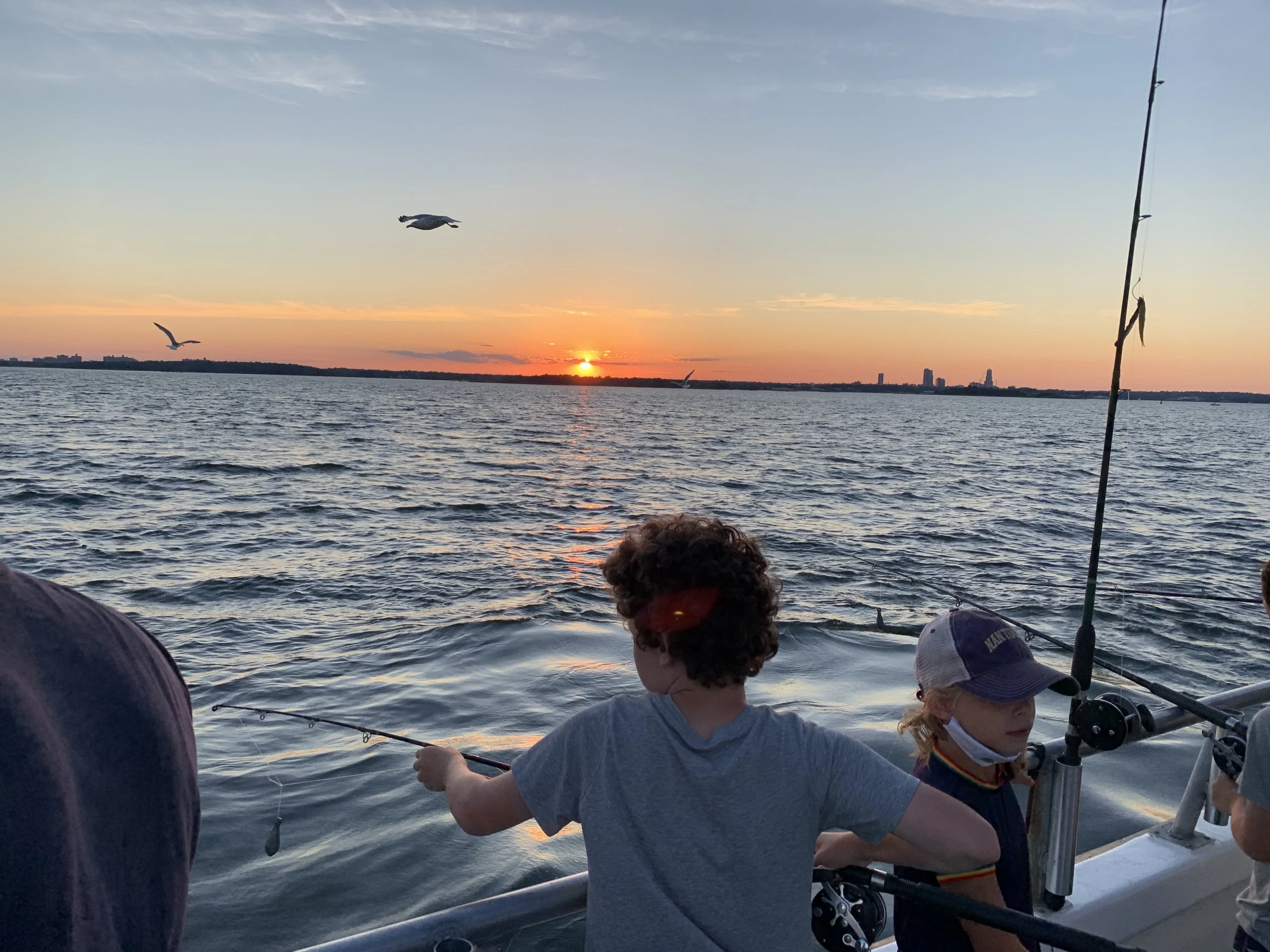
I’ve started exploring this interest more through the SoundWaters Research Intensive, where I work as a research assistant. I study things like water quality, fish and other marine life, and how people affect the Long Island Sound. It’s been really cool to see how changes in the environment, like climate change, are affecting a place I’ve grown up fishing in, while also learning new skills.
This website is where I share both sides of what I enjoy—fishing and learning more about what’s going on under the water. I hope it helps people get into fishing, learn something new, and maybe even catch their first fish!!!
VOLUNTEER SoundWaters
protect and preserve Long Island Sound

The SoundWaters Research Intensive gave me the chance to do real marine science research on the Long Island Sound. I worked in the lab and out on the water, studying water quality, marine life, and human impact.
Through hands-on fieldwork, I learned how to design experiments, collect data, and better understand how climate change affects local ecosystems. It made science feel real, not just something from a textbook.
Programs like this matter because they give students opportunities you don’t always get in school, helping us learn, gain experience, and get involved in protecting the environment.
Catch and release
Catch and release is an important part of fishing, especially in places like Long Island Sound. It means catching a fish and letting it go right away so populations stay healthy.
In New York, there are rules to protect fish, like not keeping them on stringers and not fishing for species out of season. How you handle the fish matters too—keep it in the water, wet your hands, and don’t hold it by the gills.
Some people debate whether catch and release is fully humane, but when done correctly, it helps protect ecosystems. Through SoundWaters, I’ve learned how small actions like this can make a big difference in marine conservation.
Buy a fishing kit
Most sports stores sell fishing kits ( 2 links below too to make it easy) that have everything you need to start fishing., and are great for beginners.
A fishing kit usually has:
- A tackle box to hold all your fishing stuff
- A fishing rod and line. Many come ready to use, and some have a button you push to cast
- Hooks in different sizes to help you catch fish
- Bobbers, which are small floats that sit on top of the water. When a fish bites, the bobber moves
- Sinkers, which are small weights that help your bait sink down in the water
- Bait. Plastic worms work well, but real worms work even better
I**** f you are 16 years old or older, you need a fishing license to fish in public water. You gotta check the rules.
Good luck- you’re ready to start fishing!!!
download these app’s on your phone TO LEARN
Fish Brain - you can see what fish people are catching near you, bait they’re using, and which ones they caught
Pro Angler - teaches you the basics like knots, rigs, and fish types. This one really helped me learn and get help.
Fishing Points - it’s cool and tells you about weather and good fishing times
Fish ID - SOOOO cool! You take a picture and find out what fish you caught!’